

The "Dignity Economy": Why Family-Owned RCFEs in California are Surviving Despite a 15% Compliance Cost Hike
The official brand logo for Glory Days Memory Care Assisted Living.
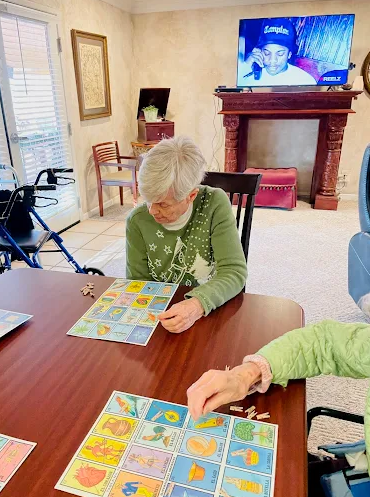
Seniors engaged in a memory care activity playing a game at a table.

Residents and staff gathered at an outdoor community event in a garden setting.
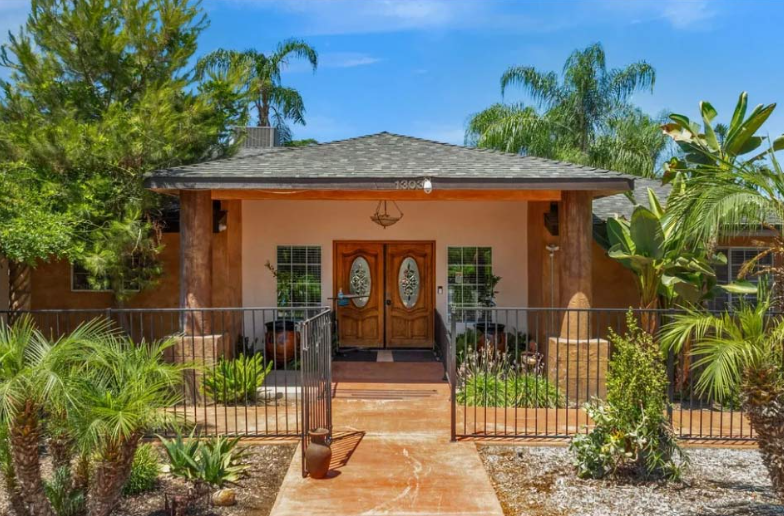
The welcoming, residential exterior of the Glory Days Assisted Living facility.

A wide view of an outdoor event with residents and family members seated under umbrellas.
Discover how small, family-owned RCFEs in California are thriving by replacing industrial-scale care with a "Dignity Economy" of personalization.
VISALIA, CA, UNITED STATES, June 23, 2026 /EINPresswire.com/ -- The California senior care industry is currently navigating a period of unprecedented economic turbulence. As regulatory compliance costs for Residential Care Facilities for the Elderly (RCFEs) have surged by an estimated 15% over the last 24 months, a quiet bifurcation is occurring within the market. While large-scale corporate facilities struggle with high turnover and the complexities of industrial-sized operations, a small subset of family-owned "micro-facilities" is demonstrating remarkable resilience. This emerging "Dignity Economy" suggests that in the highly regulated California landscape, extreme personalization and legacy traditions are the primary drivers of 100% occupancy and business longevity.
The Regulatory and Financial Squeeze
According to recent data from the California Department of Social Services (CDSS) Community Care Licensing Division, the administrative and operational burden on RCFEs has reached a record high. New mandates regarding staffing ratios, specialized dementia training, and updated emergency preparedness protocols have added significant overhead to a sector already grappling with inflation. The Small Business Administration (SBA) Healthcare Sector Reports indicate that for small-scale residential care businesses, these cumulative costs represent a significant barrier to entry, leading to a consolidation of the industry where "Big Box" corporate entities often dominate the landscape.
However, this consolidation comes with a human cost. As facilities scale to 100 beds or more to achieve "economies of scale," the delivery of care often becomes standardized and clinical. The National Investment Center for Seniors Housing & Care (NIC) has noted significant market volatility in 2026, as families increasingly express dissatisfaction with the "industrial" feel of larger institutions, leading to a shift in consumer preference toward smaller, homelike environments that can pivot more quickly to individual resident needs.
The Business Case for Personalization
The survival of the small-scale RCFE—specifically those capped at 10 residents—rests on a business model built on "micro-personalization". In these settings, the care plan is not a static medical document but a dynamic narrative. Industry analysts suggest that the ability to recognize a resident not as a room number but by their life accomplishments—such as their past as a published author, a plane pilot, or an engineer—creates a "retention of dignity" that corporate models cannot easily replicate.
This personalization extends into the granular details of daily life. In Tulare County, experts have observed that facilities maintaining waitlists are those that can accommodate specific individual preferences, such as how a resident takes their coffee or their specific sleep patterns. This level of detail is more than a service perk; it is a clinical intervention. When a facility knows a resident's history—such as a lady who sang at Frank Sinatra’s funeral—the care provided becomes an extension of that person’s identity, significantly reducing the agitation and behavioral issues often associated with dementia.
Legacy Traditions as a Stability Factor
In an era of digital-first healthcare, the "Dignity Economy" relies heavily on "legacy traditions"—annual community events that integrate families into the care ecosystem. These events, such as full-service luncheons and holiday celebrations, serve as critical trust-building exercises between the facility and the primary decision-makers, who are typically females age 50+.
Data from the Alzheimer’s Association suggests that social companionship is "great for the soul" and serves as a vital component of holistic memory care. Smaller facilities that leverage these traditions often see higher rates of "word of mouth" referrals, which effectively eliminates the need for traditional advertising budgets and allows for a focus on quality staffing and garden-to-table environments.
The Central Valley Perspective
In the Central Valley, specifically within Tulare and Kings Counties, the demand for specialized memory care is outpacing available high-quality beds. Families are increasingly rejecting the "non-industrial" approach in favor of settings where their loved ones can maintain independence while receiving 24-hour support. The challenge for these small businesses remains the balance between meeting rigorous state licensing standards and maintaining the "soul" of a home environment.
"Operational longevity in this sector requires a balance between meeting rigorous state licensing standards and maintaining the soul of a home," says Gloria Villarreal, who has operated Glory Days Assisted Living in Visalia since 2007. "Traditional events like 'Christmas in November' aren't just social outings; they are core components of a care model that prioritizes the resident’s life accomplishments and personal identity".
Villarreal, who founded Glory Days with a single resident before expanding to a 10-bed specialized memory care community, notes that the industry has shifted significantly since she began her career over 30 years ago. "The Big Box corporate livings are growing, but we have remained small and personal as a choice," she observes. "When you care for only 10 residents, you have the opportunity to know exactly who they were before they came to you—their history as pilots or writers—and that knowledge is what allows them to truly thrive in their later years".
As the California senior care landscape continues to evolve, the "Dignity Economy" stands as a testament to the resilience of the family-owned RCFE. By prioritizing the name over the number, these small businesses are not just surviving regulatory increases—they are redefining the standard of care for the state’s aging population.
About Glory Days Assisted Living:
Founded in 2007 by Gloria Villarreal and managed alongside State Certified Administrator Melinda Aguilar, Glory Days Assisted Living is a state-licensed Residential Care Facility for the Elderly (RCFE) located in Visalia, California. Specializing exclusively in Memory Care and Dementia support, the facility provides a non-industrial, homelike environment for only 10 residents at a time, ensuring the highest levels of personalization and dignity. For more information, visit www.glorydaysvisalia.com.
Luis Chavez
Chavez Web Design, LLC
+1 559-553-5000
email us here
Visit us on social media:
Instagram
Facebook
YouTube
Other
Glory Days: A Home for Memory Care (MasterCare Approved Provider)
Legal Disclaimer:
EIN Presswire provides this news content "as is" without warranty of any kind. We do not accept any responsibility or liability for the accuracy, content, images, videos, licenses, completeness, legality, or reliability of the information contained in this article. If you have any complaints or copyright issues related to this article, kindly contact the author above.
